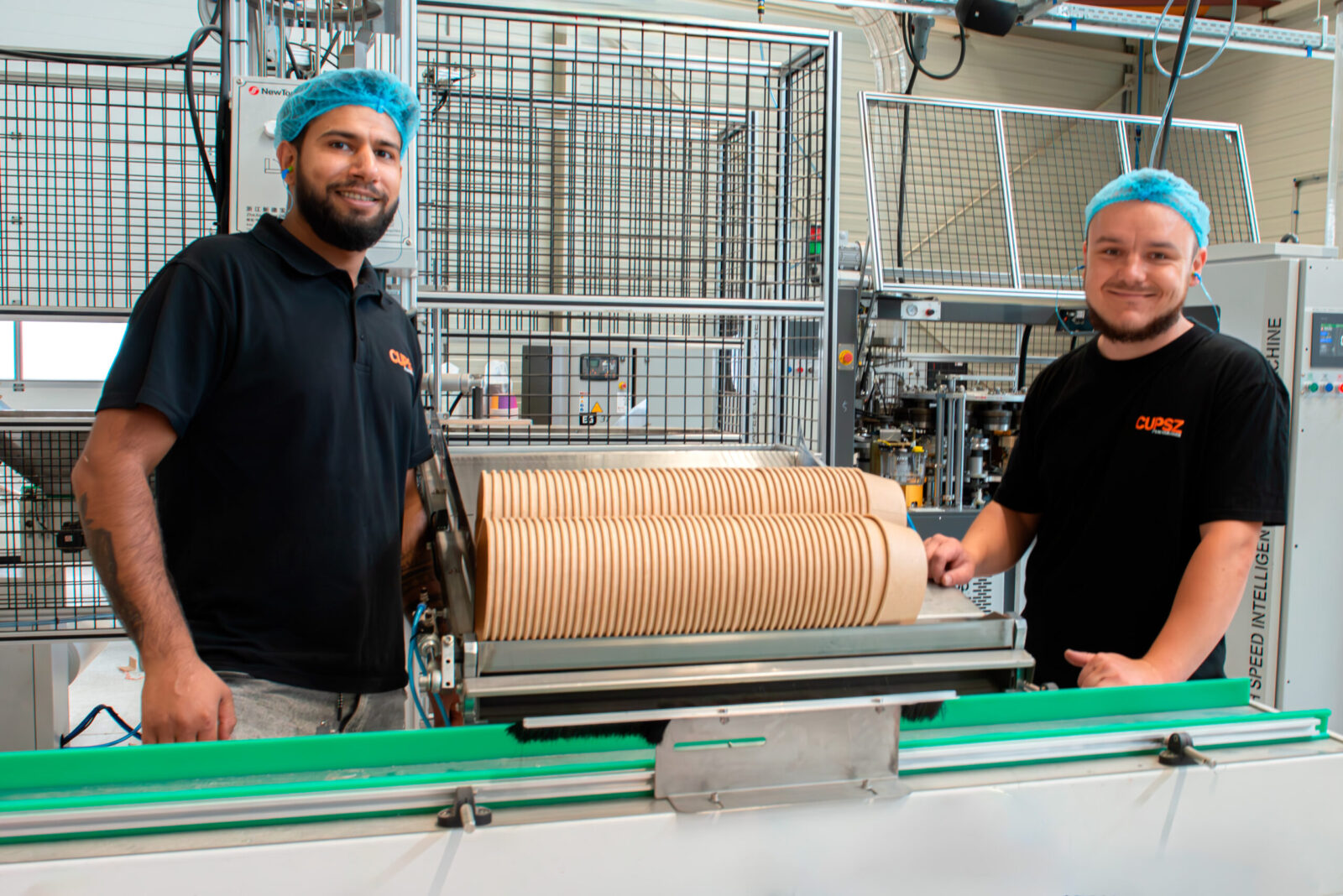
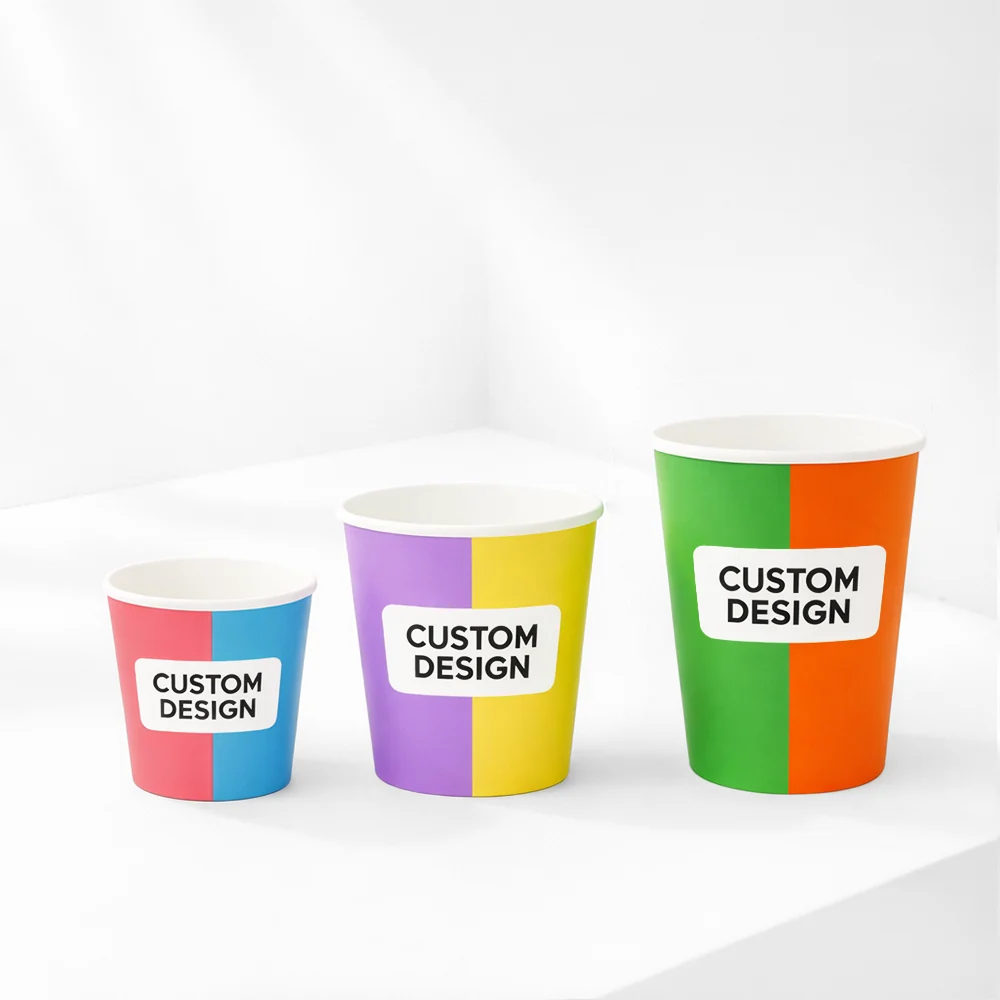
CUPSZ manufactures cardboard coffee cups. To support further growth, the company invested in a new production facility and two additional production lines. The ambition was clear: increase output and continue growing. However, the available grid capacity was not sufficient to support that expansion.
The company already had solar panels and a Big Ass Battery system. The battery absorbed peaks and provided additional power, but day-to-day energy management was still largely manual.
The managing director had to keep track of several systems and continuously decide:
- How much solar energy was available
- How much charge remained in the battery
- Which production lines could operate
- When the diesel generator needed to step in
As a result, several phones were constantly sitting on his desk. If solar generation dropped because of cloud cover, he had to intervene immediately. If the battery was running low, the generator had to be switched on.
Energy management therefore consumed time and attention every day – time the managing director would rather spend on customers, production and growth. The challenge was clear: CUPSZ did not simply need more energy, but a smarter way to allocate the capacity already available.
What solution did we implement?
CUPSZ became our first pilot customer for the installation of our Energy Management System. The first step was to install several Load Commanders. These collect data from the connected energy assets and enable central monitoring and control.
Smart Ass Energy brings the key components of the installation together in one central platform:
- The production lines
- The battery
- The solar panels
- The grid connection
Where CUPSZ previously had to monitor different apps and systems separately, everything now comes together in a single overview. This not only simplifies energy management, but also lays the foundation for automated and predictive control.
The EMS continuously assesses how much energy is available and where it can be used most effectively. It takes into account the grid connection limit, current and forecast solar generation, the battery state of charge, the energy demand of the production lines, weather forecasts, energy prices and the company’s selected operating priority.
The customer can also choose which strategy matters most at any given moment. In Full Power mode, the system aims to maximize production within the available grid capacity. In Economy mode, the focus shifts to making maximum use of solar energy and battery storage while minimizing electricity drawn from the grid.