Bonneveld: building without depending on a grid connection

The construction sector is electrifying rapidly. Electric excavators, mobile cranes and other heavy equipment are increasingly becoming the norm. But power supply on construction sites is not always ready for that transition. Bonneveld experienced this first-hand. In this case study, we explain the challenge they faced and how we solved it at Big Ass Battery.

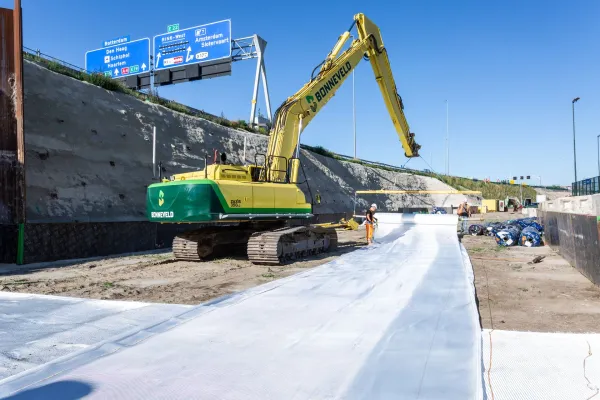
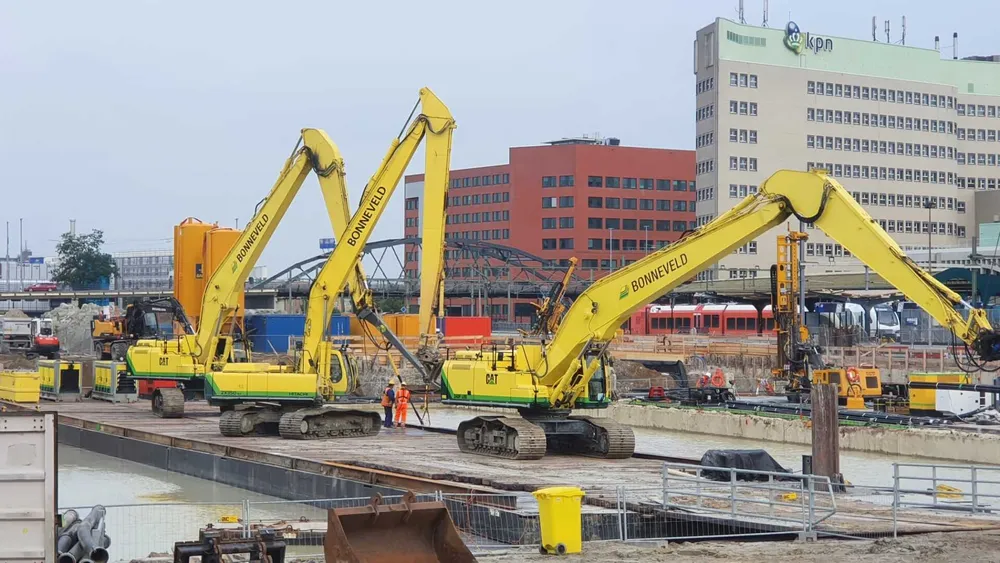
The Dutch construction company is deliberately investing in electric equipment, including an electric excavator. But at many project locations, the grid connection is either unavailable or not powerful enough. At the same time, diesel generators are increasingly restricted due to stricter emissions requirements.

To remain flexible, Bonneveld chose a mobile battery from Big Ass Battery.
Details

  • Bonneveld
  • Construction
  • Limited grid connection
  • Bunschoten, Nederland

Energy wherever the construction site is

Unlike most business activities, a construction site is constantly moving. The energy supply therefore needs to move with it.

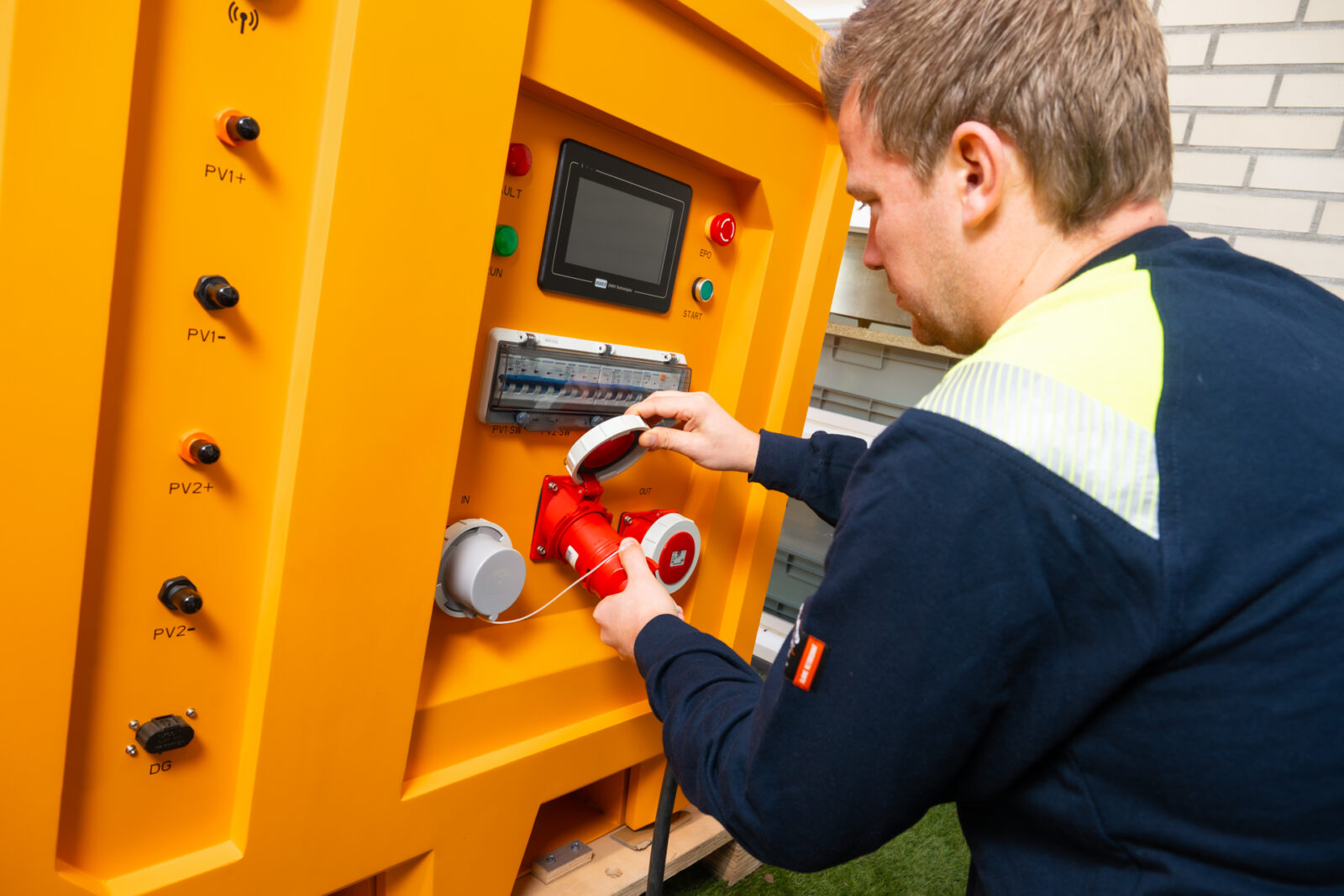
Bonneveld uses a mobile battery with a capacity of approximately 200 kWh. The battery is charged using fixed charging infrastructure and then transported to the construction site, where it serves as a large, mobile power bank.

On site, it supplies energy to electric excavators, mobile cranes and other electric equipment. This means Bonneveld does not have to rely entirely on a fixed grid connection to work electrically.

Why choose battery storage?

The switch to battery storage was not driven by a single challenge.

On the one hand, the share of electric equipment on construction sites is growing. On the other, the options for providing sufficient power everywhere are becoming increasingly limited.

In the Netherlands, construction companies are increasingly faced with limited or unavailable temporary grid connections. At the same time, clients and public authorities are imposing stricter requirements on emissions, noise and sustainability.

For Bonneveld, this led to a clear choice: bring energy to the construction site instead of remaining dependent on the available infrastructure.

Increasingly strict emissions standards

The mobile battery does more than provide operational benefits. It also helps Bonneveld meet increasingly strict requirements in tenders and construction projects.

For projects in urban environments, Natura 2000 areas or other locations with strict environmental requirements, low-emission or even zero-emission working is becoming increasingly important. Companies that can demonstrate that they reduce their CO₂ emissions improve their position in tenders.

By combining battery storage with electrified equipment, Bonneveld has a solution that aligns with this development.

Less diesel, less noise, more flexibility

The mobile battery makes Bonneveld less dependent on diesel generators.

This offers several benefits:

  • Energy available at locations without a suitable grid connection.
  • Making electric cranes and excavators practical to use.
  • Less dependence on diesel generators.
  • Less noise on the construction site.
  • No local exhaust emissions or diesel fumes during use.
  • Greater comfort for operators and site workers.
  • A stronger position in projects where low-emission execution adds value.

The battery also makes it possible to deploy energy exactly where it is needed. When the construction site moves, the energy supply simply moves with it.

Preparing smartly for the future of construction

The electrification of the construction sector is well underway. Machines are becoming electric, emissions requirements are getting stricter and available grid capacity is increasingly under pressure.

For Bonneveld, mobile battery storage is therefore much more than an alternative to a diesel generator. It is a way to remain flexible today while being prepared for the construction site of tomorrow.